Fishing Rod Care: Suggestions for Longevity and Peak Performance
It is crucial to maintain fishing rods properly to maximize both their longevity and performance. Many fishing enthusiasts neglect routine maintenance, putting them at risk of damage and decreased efficiency. Performing regular cleaning, detailed inspections, and employing suitable storage approaches can greatly improve the life of fishing gear. Understanding these maintenance steps is fundamental. As seasons vary and conditions shift, the way you care for rods may need to adjust. What exact strategies can guarantee a fishing rod stays in prime condition?
Why Adequate Rod Care Is Critical
Proper fishing rod maintenance guarantees extended life and peak performance. Routine maintenance ensures that rods remain in prime condition, preventing issues that could compromise angling experiences. A well-cared for rod can withstand various external circumstances, minimizing the likelihood of harm from contact to sun, water, and dirt.
Skipping regular upkeep can produce wear and tear, affecting sensitivity and action. Components such as guides, reels, and grips must be examined regularly, as they are critical for effective casting and reeling.
Additionally, proper care can enhance the overall angling adventure by increasing accuracy and distance, making it easier to land a catch. By investing effort in upkeep, anglers not only prolong the life of their gear but also improve their skills and enjoyment on the water. In the end, a commitment to maintenance is crucial for serious fishing enthusiasts, guaranteeing both performance and reliability.
The Right Way to Clean Your Fishing Rod
Regular cleaning is an important part of fishing rod maintenance that directly impacts performance and longevity. Anglers should start by washing the rod with fresh water to eliminate dirt, salt, and debris after each use, especially if fishing in saltwater environments. A soft cloth or sponge can be used to carefully wipe down the rod, giving special attention to guides and reel seats where grime accumulates.
For stubborn stains, a mild soap solution can be efficient; however, harsh chemicals should be prevented as they might harm the rod's finish. After cleaning, it is vital to completely dry the rod to prevent water accumulation, which can lead to corrosion. Additionally, anglers should regularly maintain and oil the reel to ensure proper functioning. By adhering to these guidelines, fishermen can preserve their rods' performance and extend their longevity.
What Things to Search For When Reviewing Your Fishing Rod?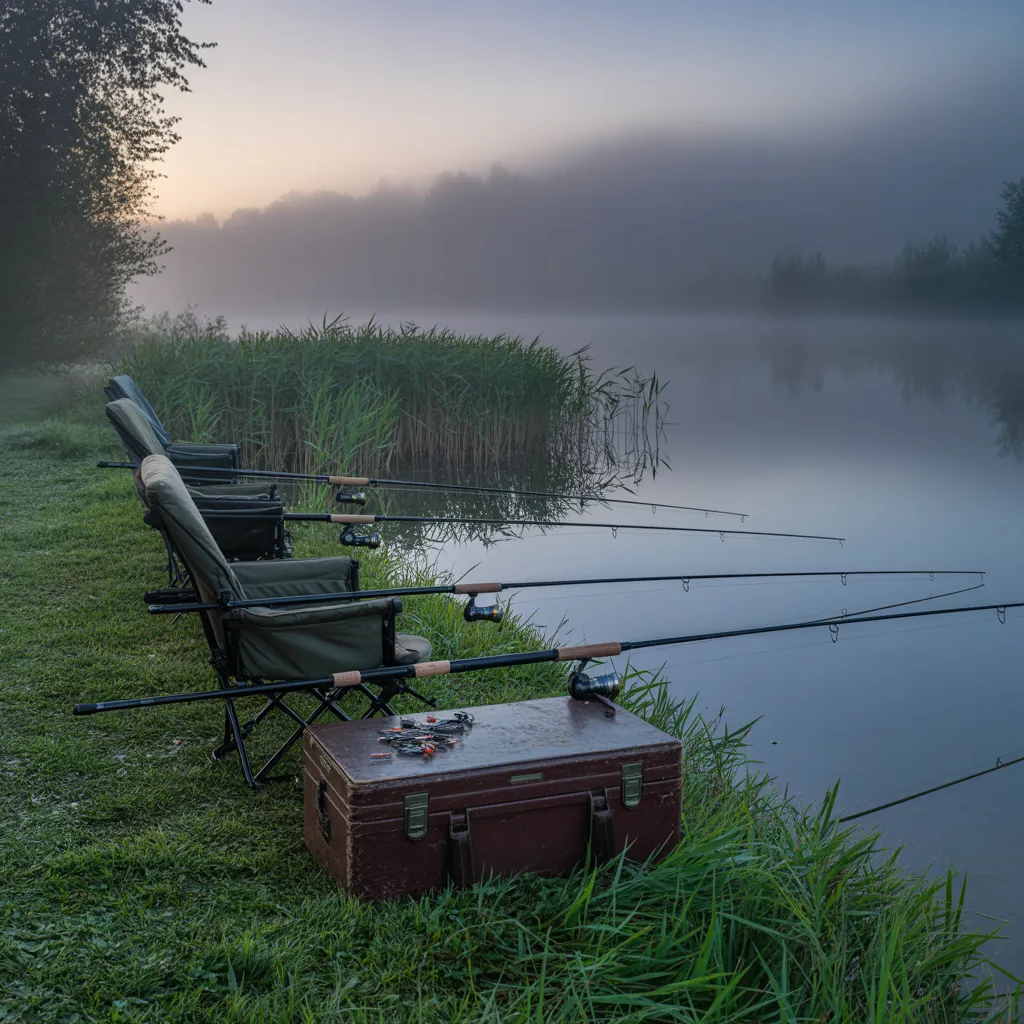
When examining a fishing rod, it is essential to perform a thorough inspection for damage to identify any breaks or warping. Additionally, inspecting the reel and guides for wear or corrosion can avoid upcoming problems and ensure optimal functionality. Frequent checks assist in preserving the rod's integrity and extend its lifespan.
Visual Impact Analysis
A sharp eye is crucial for fishermen looking to preserve their fishing rods in ideal state. Regular inspections for damage can help identify issues before they escalate. Anglers should inspect the rod for cracks or splinters, particularly near the handle and tip. A thorough inspection of the rod blank is critical, as any signs of wear can undermine performance. Additionally, checking the surface for scratches or chips is linked resource important, as these can impact the rod's integrity. The guides should be clear of rust or corrosion, while making sure that the epoxy on the guide wraps is intact. Finally, the reel seat should be firmly attached and devoid of any apparent wear, guaranteeing a firm attachment between rod and reel.
Reel and Guides Examination
It is vital to inspect the reel and guides to maintain a fishing rod's efficiency. Anglers should first check the reel to ensure it operates without issues, making sure the handle turns freely. Any grinding noises or stiffness might point to the need for lubrication or repairs. Then, inspect the guides for splits, damages, or corrosion since these flaws can hinder line movement and casting accuracy. Inserts must be intact and smooth to reduce line wear. Also, verify that the guides are stitched firmly to the rod, as loose parts can cause breakage. Consistent care of these parts not only boosts performance but also prolongs the fishing rod's overall lifespan, allowing a better fishing experience.
Key Suggestions for Fishing Rod Care
Appropriate care of fishing rods is necessary for sustaining their lifespan and effectiveness. Fishermen ought to always position rods vertically or horizontally, confirming they are reinforced to prevent warping or fracturing. Utilizing protective cases or rod organizers will defend them from dust and physical damage. Also, it is recommended to refrain from placing rods in direct sunlight or extreme temperatures, as such environments can deteriorate materials and weaken structural parts as time goes on.
When putting away rods for extended periods, it is beneficial to take off reels to avoid unnecessary stress on the rod's components. Furthermore, maintaining fishing lines neatly arranged and wound helps prevent knots and bends. Frequently inspecting for any indicators of deterioration or harm during storage guarantees that rods remain in optimal shape and ready for use. By following these storage guidelines, anglers can improve the durability and performance of their fishing equipment.
Best Products for Rod Care
Picking the right products for rod maintenance guarantees fishing equipment stays in top condition. A excellent rod cleaner is crucial for removing dirt and grime, ensuring maximum performance. Many anglers prefer specialized cleaning solutions that are safe for both rod materials and the environment. Additionally, reel oil and grease are important for maintaining smooth operation. These lubricants stop corrosion and guarantee longevity, notably in saltwater environments.
To protect the rod's surface, a good rod wax can deliver a shield from UV damage and scratches. In addition, utilizing guides and tip protectors can prevent damage during storage and transport. In summary, a reliable tackle box or rod case helps organize and safeguard equipment from wear and tear. Purchasing in these products boosts performance while also extends the lifespan of fishing rods, keeping them more reliable for future outings.
Weather Effects on Your Rod Servicing
Weather is essential in deciding the frequency and type of upkeep needed for fishing rods. Humidity can create mold and corrosion, mainly in metal components, necessitating more periodic inspections and maintenance. Conversely, low humidity may cause the rod materials, like cork or wood, to fracture, spurring the need for conditioning procedures to preserve structure.
Temperature swings also affect rod performance. Extreme cold can make certain materials rigid, while excessive heat may diminish adhesives. Anglers are advised to store rods in climate-controlled environments to minimize these effects. Rain and moisture exposure require immediate drying out to prevent deterioration and guarantee longevity.
Climate changes determine the frequency of servicing requirements. Frequent checks in wet seasons are critical, whereas winter timeframes may require protective measures to prevent winter damage. Ultimately, customizing maintenance protocols to prevailing environmental conditions extends the life and efficiency of fishing rods.
Evidence Your Fishing Rod Needs Professional Repair
Regular contact to different climatic elements can lead to visible deterioration on fishing rods. Anglers should remain attentive for several indicators suggesting that professional repair may be required. A compromised rod may exhibit visible cracks or splintering in the material, which can affect its overall strength. Furthermore, if the rod feels unusually flexible or has diminished its sensitivity during casting, this may indicate internal damage.
An issue is when the guides, or eyelets, are damaged or absent, as this can impede line movement and lead to tangles. Additionally, if the reel seat is compromised or worn, it may not securely hold the reel, impacting performance. Lastly, persistent discomfort or vibrations while reeling in a catch can indicate underlying problems requiring expert attention. Identifying these signs early can help maintain the rod's longevity and improve the overall fishing experience.
Frequently Asked Questions
How Frequently Should I Replace My Fishing Pole?
A fishing rod should generally be renewed every five to ten years, based on care standards and frequency of use. Indicators of damage, such as fractures or reduced functionality, may necessitate sooner changing for the optimal angling results.
Is Regular Soap Appropriate for Maintaining My Rod?
Cleaning a fishing rod with regular soap is generally acceptable, but choosing a mild, non-abrasive soap is best. Harsh chemicals have the potential to damage the rod's materials and finish, which could impact performance.
How Can You Identify a Superior Fishing Rod?
A top-tier fishing rod commonly features strong materials, a light construction, fine sensitivity, and robust guides. Additionally, sleek finish, firm structure, and established brand credibility improve its overall performance and reliability during use.
Does Rod Upkeep Differ between Salt water and Freshwater Fishing?
Rod maintenance differs considerably between saltwater and freshwater fishing. Saltwater environments require more thorough cleaning to remove corrosive salt deposits, while freshwater rods typically require less frequent maintenance, focusing mainly on cleaning and checking for wear.
What Methods Can Assist Me in Avoiding Rod Damage During Transport?
To avoid rod damage during transport, one should use a protective case, fasten the rod correctly, avoid putting heavy items on top, and ensure it remains upright to reduce stress on sensitive components.